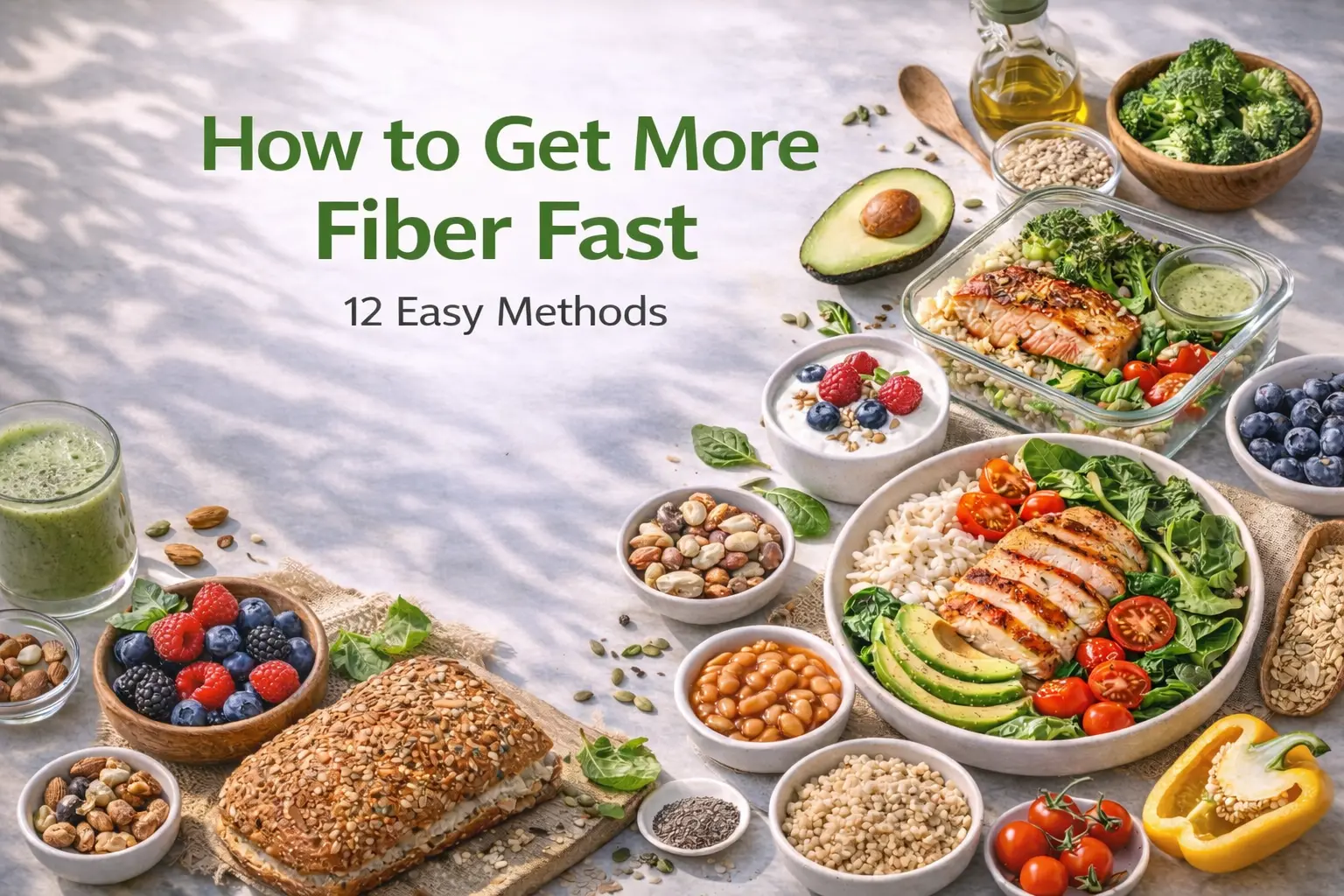
In 2026, nutrition trends have flipped the script on what matters most at the dinner table. For years, “protein-maxxing” ruled everything from gym supplements to supermarket aisles. But this year, fiber has emerged as the breakout star in the 2026 nutrient balance conversation. Experts, food giants, and social media are calling it “fibermaxxing” — and fiber is officially replacing protein as the top nutrient on everyone’s radar.
Why the sudden switch? Most people already get enough (or too much) protein, while 90-95% of Americans fall short on the recommended 25-35 grams of daily fiber. The result? A massive shift toward gut health, sustained energy, and long-term wellness. This listicle breaks down exactly why fiber is taking the crown in 2026 nutrient balance, backed by real trends, science, and expert insights.
1. Fibermaxxing Goes Viral: The 2026 Social Media and Market Explosion
“Fiber will be the next protein.” That’s not a dietitian’s guess — it’s PepsiCo CEO Ramon Laguarta’s direct quote from late 2025 earnings calls. Whole Foods Market’s 2026 trend report predicts fiber-forward packaging callouts everywhere, while EatingWell reported a staggering 9,500% spike in page views for fiber-related articles. TikTok’s #fibermaxxing trend has millions obsessed with hitting fiber goals the same way they once chased protein shakes.CNN
This isn’t hype. It’s the natural evolution after years of hydration and protein trends. Consumers want results they can feel — better digestion, steady energy, and fewer cravings — and fiber delivers.
2. The Great Nutrient Gap: Protein Is Plentiful, Fiber Is Missing
Here’s the 2026 nutrient balance reality check: Americans average more than enough protein (often exceeding needs), but fiber intake sits at a dismal 15 grams per day for most adults. The new Dietary Guidelines for Americans emphasize protein, yet leading public health experts at Johns Hopkins and Harvard point out we’re already protein-sufficient — it’s fiber we desperately need more of.News.llu
Plant-based proteins like beans and lentils deliver both, but the average high-protein diet heavy on red meat often skimps on fiber. Result? Bloating, blood sugar swings, and missed opportunities for true healthspan.
3. Gut Health Takes Center Stage: Fiber Feeds Your Microbiome Like Nothing Else
Your gut microbiome is now understood as the command center for immunity, mood, and metabolism. Soluble and insoluble fiber act as prebiotics, fueling beneficial bacteria that produce short-chain fatty acids (SCFAs) like butyrate. These compounds reduce inflammation, strengthen the gut barrier, and even influence brain health via the gut-brain axis.Gutmicrobiotaforhealth
Protein doesn’t offer this prebiotic power. In fact, very high animal-protein diets can shift the microbiome toward less favorable bacteria. In 2026, fiber-rich foods (oats, legumes, apples, broccoli) are the real microbiome MVPs.
4. Satiety Superpower: Fiber Beats Protein for Fullness and GLP-1 Support
Feeling satisfied after meals without constant snacking? Fiber slows digestion and triggers natural GLP-1 release — the same hormone mimicked by popular weight-loss medications. This makes high-fiber meals more filling than protein-only options, supporting sustainable weight management without side effects.Llcc
Studies show fiber-rich diets improve portion control and reduce overall calorie intake more effectively than protein-focused ones for many people. No wonder GLP-1 users are now “fibermaxxing” to enhance results naturally.
5. Heart, Blood Sugar, and Longevity Benefits That Protein Can’t Match Alone
Fiber lowers LDL cholesterol, stabilizes blood glucose, and reduces inflammation — key markers for heart disease and type 2 diabetes prevention. The American Heart Association highlights fiber’s role in cardiovascular health far beyond basic protein needs. Long-term research links higher fiber intake to lower risks of certain cancers and better overall mortality rates.Ahajournals
While protein supports muscle, fiber supports the systems that keep those muscles healthy for decades. In 2026 nutrient balance, fiber is the longevity nutrient.
6. Planet-Friendly Nutrition: Fiber Wins on Sustainability
High-fiber diets lean heavily on plants — beans, lentils, whole grains, vegetables. These foods have a dramatically lower environmental footprint than resource-intensive animal proteins. As consumers demand sustainable choices, fiber-rich eating aligns perfectly with 2026 values around climate and ethics.
Plant proteins that double as fiber sources (chickpeas, quinoa, nuts) offer the best of both worlds without the heavy environmental cost of constant red meat consumption.
7. Industry Response: Fiber-Fortified Everything Is Here
Look at any supermarket shelf in 2026 and you’ll see the proof. Whole Foods predicts fiber callouts on packaging will dominate. Brands are adding resistant starches, beta-glucans, and prebiotic fibers to pasta, snacks, drinks, and even pizza. PepsiCo and others are racing to “fiber-maxx” their portfolios.Baystatemilling
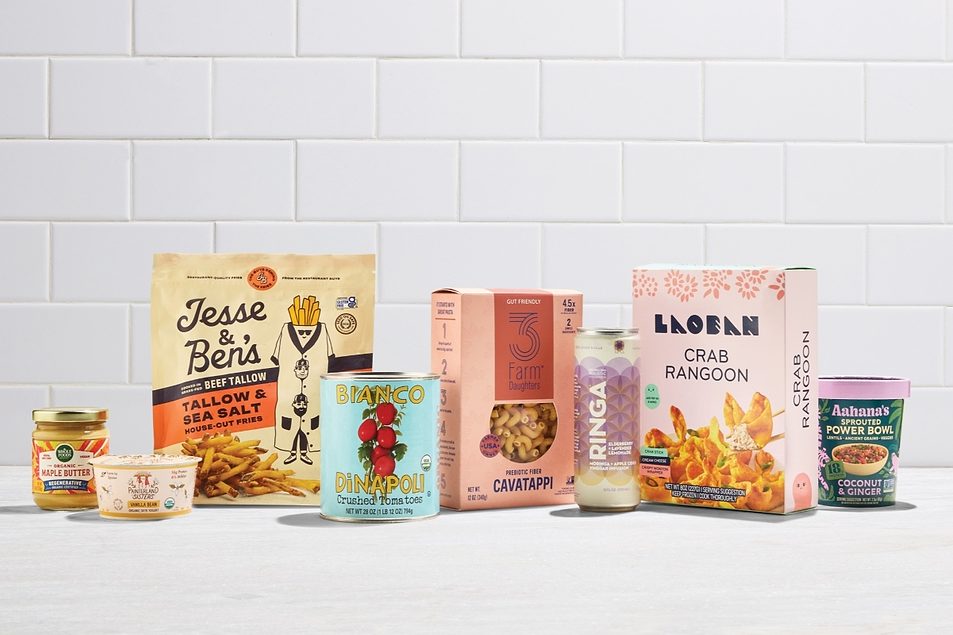
This isn’t a niche trend — it’s mainstream product innovation responding to consumer demand.
8. You Don’t Have to Choose: The Perfect 2026 Nutrient Duo
Fiber isn’t replacing protein entirely — it’s completing it. The smartest 2026 nutrient balance strategy combines both. Pair lean protein with fiber-packed veggies, beans, or whole grains for meals that build muscle while supporting gut health, satiety, and heart protection. Harvard’s Healthy Eating Plate model beautifully illustrates this balanced approach.Hsph.harvard
9. Easy Fibermaxxing Tips for 2026
Start slow to avoid discomfort — add 5 grams per week and drink plenty of water. Top sources include:
- Beans and lentils (15g+ per cup)
- Avocado and berries
- Oats and chia seeds
- Broccoli, Brussels sprouts, and artichokes
- Whole grains like barley and farro
Swap white rice for brown, add a side salad to every meal, and snack on nuts or fruit. Apps and trackers now make hitting 30+ grams effortless.
10. Expert Consensus: Fiber Is the 2026 Nutrient to Watch
Registered dietitians, public health leaders, and food trend forecasters all agree: fiber is the “it” nutrient of 2026. It addresses the gaps protein alone can’t fill while delivering feel-good results fast. As one CNN report put it, “Move over, protein. Fiber is on pace to be the next ‘it’ nutrient of the year.”CNN
Bottom line for 2026 nutrient balance: Protein still matters, but fiber is the missing piece for true wellness. By prioritizing fiber-rich whole foods, you’ll support gut health, manage weight more easily, protect your heart, and feel better every day. The era of fibermaxxing is here — and it’s delicious, sustainable, and backed by science.
Ready to update your plate? Your microbiome (and your 2026 goals) will thank you.