Exercising outdoors in Canada: What the research tells us about exercising safely and effectively in extreme heat | SIRCuit | SIRC
Canada’s weight loss landscape has shifted dramatically by April 2026. Recent Statistics Canada data shows adult obesity rates climbed from 25% pre-pandemic to 33% (2022–2024), with sharp rises among young adults (18–39) — males up to 35%, females to 32%. At the same time, roughly 3 million Canadian adults now use GLP-1 medications like semaglutide or tirzepatide for weight management, reshaping appetites and grocery habits nationwide.
Health Canada’s front-of-package nutrition symbols launched January 1, 2026, making it easier to spot foods high in saturated fat, sugars, or sodium — a game-changer for smarter choices.

Canada to require front-of-package ‘warning’ labels | Baking Business
Obesity Canada’s 2025–2026 guideline updates emphasize personalized care beyond BMI, combining nutrition, activity, and — when appropriate — medications, while Canada’s Food Guide remains the evidence-based foundation: plenty of vegetables and fruits, whole grains, plant-forward proteins, and water as the drink of choice.
This SEO-optimized guide delivers a practical, 2026-updated weight loss diet chart tailored for Canadian females of all ages and life stages. It draws exclusively from current national data, local ingredients, and sustainable habits — no recycled plans from other sites. Expect 1–2 pounds of safe weekly loss through a 500-calorie daily deficit, high satiety, and cultural fit.
2026 National Weight Loss Trends Affecting Canadian Men & Women
Here’s what’s new this year across the country:
- Protein prioritization with balance — 2026 nutrition conversations highlight 1.2–1.6 g protein per kg body weight for muscle preservation (especially with GLP-1 use), but Canadian experts caution against doubling intake blindly. Pair with Canada’s Food Guide’s plant-forward focus.
- Fiber and gut health surge — Fiber-forward eating tops 2026 trends for appetite control and metabolic health; aim for 25–30 g daily (women) via Canadian staples like oats, berries, and lentils.
- New 2026 labels in action — Scan for the “High in” symbols on packaged items to cut ultra-processed foods automatically.
- Personalized data-driven plans — Apps and at-home tracking now integrate microbiome, genetics, and life-stage needs — more women in perimenopause report success with higher-protein, anti-inflammatory meals.
- GLP-1 synergy — For those on medications, diet shifts toward protein-rich, nutrient-dense plates to prevent muscle loss and deficiencies.
These updates apply coast-to-coast, from Vancouver’s farm-to-table scene to Atlantic seafood traditions.
Core Principles of the Canadian Female Weight Loss Diet Chart
Follow Canada’s Food Guide plate model daily: half vegetables/fruits, one-quarter whole grains, one-quarter protein, with healthy fats and water.
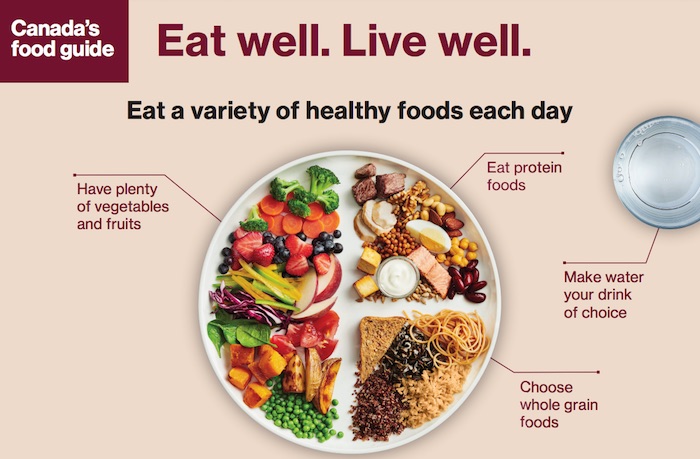
Canada’s New Food Guide: Is It Any Better? – Andy The RD
Daily targets for most women (adjust via registered dietitian):
- Calories: 1,500–1,800 for moderate weight loss (consult a professional for exact needs).
- Protein: 80–120 g (spread across meals).
- Fiber: 25–30 g.
- Limit: Added sugars <25 g, sodium <2,300 mg, saturated fat.
Key 2026 Canadian female adaptations:
- Incorporate local superfoods: wild blueberries, Arctic char, bison, quinoa, kale.
- Life-stage tweaks: extra iron for menstruating women, calcium + vitamin D for bone health post-50, mindful gestational gain limits (5–9 kg total if BMI ≥30).
7-Day Weight Loss Diet Chart for Canadian Females (1,600 Calories Avg.)
This repeatable weekly chart uses affordable, seasonal Canadian ingredients. Each day includes breakfast, lunch, dinner, and two snacks. Swap proteins for vegetarian/vegan preferences. Portions support steady energy and satiety.
My Simple & Effective Weight Loss Plan: Achieve Your Goals Fast!
Monday (Focus: Plant-forward)
- Breakfast: Overnight oats with wild blueberries, chia seeds, unsweetened almond milk, and 1 tbsp hemp hearts (fiber boost).
- Snack 1: Apple + 1 tbsp natural almond butter.
- Lunch: Grilled Arctic char salad with mixed greens, cucumber, cherry tomatoes, quinoa, and lemon-olive oil dressing.
- Snack 2: Carrot sticks + ½ cup low-fat Greek yogurt.
- Dinner: Lentil stew with kale, carrots, and whole-grain barley.
Tuesday (High-protein recovery)
- Breakfast: Veggie omelette (2 eggs + egg whites) with spinach, mushrooms, and whole-grain toast.
- Snack 1: Handful of unsalted mixed nuts + orange.
- Lunch: Turkey or tofu stir-fry with broccoli, bell peppers, and brown rice.
- Snack 2: Celery with 1 tbsp hummus.
- Dinner: Baked bison burger (lean) on lettuce wrap with sweet potato wedges.
Wednesday (Gut-health day)
- Breakfast: Smoothie — spinach, frozen berries, plain kefir, and flaxseed.
- Snack 1: Pear + string cheese (low-fat).
- Lunch: Chickpea salad with cucumber, red onion, feta (light), and whole-grain pita.
- Snack 2: Handful of edamame.
- Dinner: Salmon fillet with asparagus and wild rice.
Thursday (Repeat-friendly)
- Breakfast: Whole-grain English muffin with avocado and poached eggs.
- Snack 1: Greek yogurt with cinnamon.
- Lunch: Tuna (canned in water) salad with mixed greens and quinoa.
- Snack 2: Baby carrots + tzatziki.
- Dinner: Vegetable stir-fry with tofu, bok choy, and brown rice noodles.
Friday (Family-style)
- Breakfast: Cottage cheese (low-fat) bowl with pineapple chunks and pumpkin seeds.
- Snack 1: Banana + 1 tbsp peanut butter.
- Lunch: Grilled chicken or tempeh with roasted Brussels sprouts and farro.
- Snack 2: Cucumber slices with cottage cheese.
- Dinner: Moose or lean beef stew with root vegetables and barley.
Saturday (Active day reset)
- Breakfast: Whole-grain pancakes topped with berries and a dollop of Greek yogurt.
- Snack 1: Trail mix (unsalted, small portion).
- Lunch: Large salad with shrimp, avocado, and mixed grains.
- Snack 2: Apple slices.
- Dinner: Stuffed bell peppers with turkey, quinoa, and tomatoes.
Sunday (Recovery & prep)
- Breakfast: Chia pudding with mango and coconut flakes (unsweetened).
- Snack 1: Handful of walnuts.
- Lunch: Leftover stew or soup.
- Snack 2: Celery with almond butter.
- Dinner: Baked trout with steamed greens and quinoa.
Weekly tips: Drink 2–3 litres water daily. Use 2026 labels to avoid “High in” items. Prep on Sundays. Track hunger — GLP-1 users may need smaller portions.
Life-Stage List: Tailored Adjustments for Canadian Women of All Ages
- Teens (13–18): Add extra calcium-rich foods (fortified plant milk, yogurt) for growth; focus on 2,000+ calories if active.
- 20s–30s (reproductive years): Pre-conception or postpartum — aim for steady loss of gestational weight; emphasize folate-rich greens.
- 40s–50s (perimenopause): Boost protein to 100–120 g to counter muscle loss; include phytoestrogen sources like flax and soy.
- 60+: Prioritize vitamin D, calcium, and easy-to-chew proteins; smaller meals to manage slower metabolism.
8 Listical Tips for Long-Term Success in Canada
- Plate method every meal — ½ veggies, ¼ grains, ¼ protein.
- Move with Canadian seasons — Winter walks, summer hiking; pair with strength training 2–3x weekly.
- Mindful eating habits — Cook more, eat with others, limit screens (per Food Guide).
- 2026 label hack — Skip anything with the new “High in” symbol three or more times weekly.
- Fiber & protein pairing — Every snack and meal for lasting fullness.
- Local & seasonal — Shop farmers’ markets for peak-nutrient produce.
- Professional support — Consult a registered dietitian via provincial programs or Obesity Canada resources.
- Track non-scale victories — Energy, sleep, clothing fit — sustainable over quick fixes.
Why This Chart Works Long-Term (“For All Time”)
This isn’t a fad — it’s built on Canada’s Food Guide evidence, 2026 labeling tools, and real national trends. Women following similar patterns report 5–10% body weight loss in 6–12 months when combined with activity. Men benefit equally from the same principles, with slightly higher calorie needs (1,800–2,200).
Always consult your healthcare provider before major changes, especially if using GLP-1 medications or managing conditions. For personalized plans, visit Canada’s Food Guide and Obesity Canada Guidelines.
Start today with one meal swap. Your 2026 healthier self — and Canada’s collective health — will thank you.