How to Control Cholesterol at Home Without Medicine in India
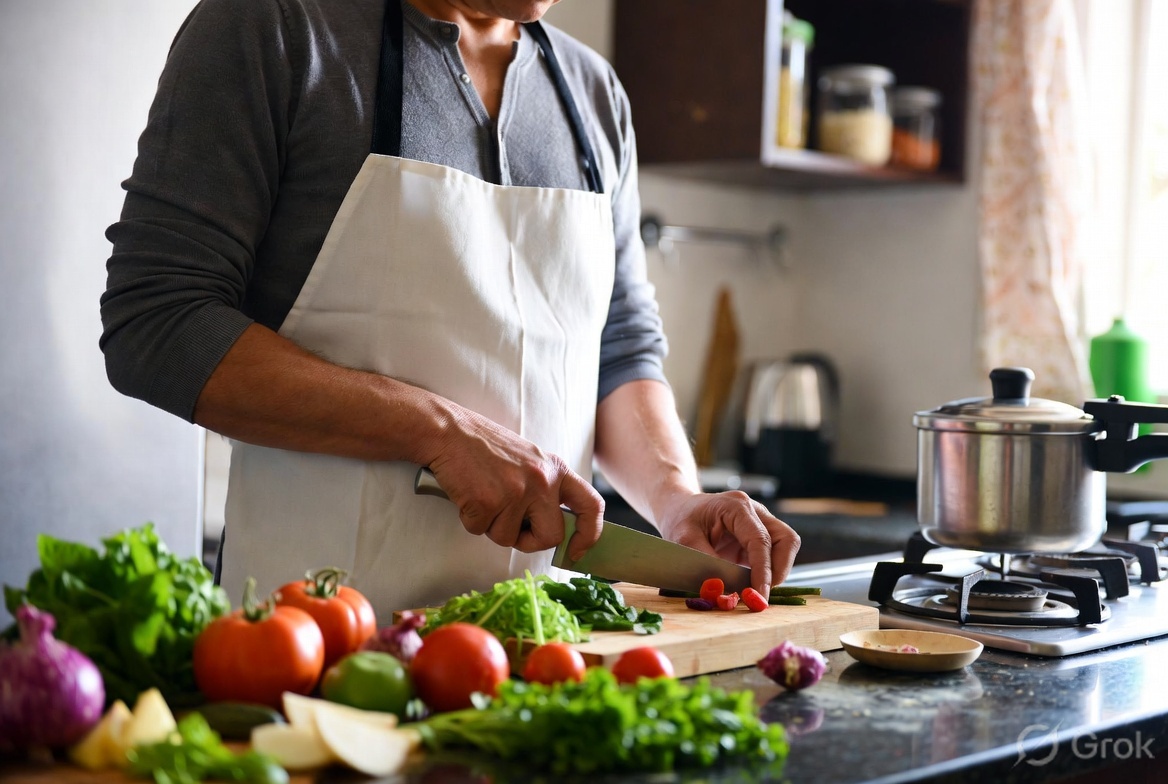
Natural Ways for Men and Women to Lower High Cholesterol with Diet, Lifestyle, and Everyday Indian Kitchen Remedies (2026 Update)
High cholesterol affects millions of Indians today, with urban lifestyles, stress, and dietary shifts contributing to rising LDL (bad cholesterol) and triglyceride levels while often lowering protective HDL (good cholesterol). The good news? You can effectively manage and lower cholesterol naturally at home without relying on medication, using time-tested Indian foods, simple exercises, and sustainable habits.Narayanahealth
This comprehensive guide shares practical, India-specific strategies tailored for both men and women. Many experience better energy, improved weight management, and heart health within weeks of consistent changes. Always consult your doctor before major shifts, especially if you have existing conditions.
Why Cholesterol Management Matters in India
Cholesterol is essential for cell function, but excess LDL builds up in arteries, raising risks of heart disease, stroke, and hypertension. In India, factors like high consumption of refined carbs, fried snacks (namkeen, samosas), ghee-heavy curries, and sedentary jobs play a big role. Women post-menopause and men over 40 often see sharper rises.
Natural approaches focus on reducing LDL absorption, boosting HDL, supporting liver function, and promoting weight loss — which itself improves lipid profiles significantly. Studies and Indian clinical insights show that dietary fiber, healthy fats, and regular activity can lower LDL by 10-20% or more when combined.Healthline
1. Embrace Soluble Fiber-Rich Indian Foods Daily
Soluble fiber binds to cholesterol in the digestive system and helps eliminate it from the body, directly lowering LDL levels.
Top Indian sources to include:
- Oats and Dalia (broken wheat): Start your day with oat porridge or vegetable dalia upma. Beta-glucan in oats is particularly effective — some research notes noticeable drops in LDL within days of regular intake.Prevention
- Pulses and lentils (dal): Moong, masoor, chana, and rajma are staples. Aim for 2-3 servings daily. They provide plant protein and fiber without saturated fat.
- Fenugreek seeds (methi dana): Soak 1 teaspoon overnight and consume with water in the morning. Saponins and fiber help block cholesterol absorption.Germantenhospitals
- Fruits like guava, apple, pear, and amla (Indian gooseberry): Eat whole or as fresh chutney. Amla is rich in vitamin C and polyphenols with strong antioxidant benefits.
- Vegetables: Okra (bhindi), bottle gourd (lauki), spinach, and brinjal add bulk and fiber.
Practical tip: Add isabgol (psyllium husk) — 1 teaspoon in warm water before meals — a common Indian remedy for digestion and cholesterol.
2. Choose Heart-Healthy Fats and Reduce Harmful Ones
Replace saturated and trans fats with monounsaturated and polyunsaturated fats to improve your LDL-to-HDL ratio.
What to limit:
- Ghee, butter, vanaspati, palm oil, coconut oil in excess, red meat, and full-fat dairy.
- Fried Indian snacks, bakery items, and processed foods containing hidden trans fats.
What to include instead:
- Mustard oil, sesame (til) oil, or groundnut oil for cooking — traditional choices that fit Indian tempering (tadka).
- A handful of almonds, walnuts, or flaxseeds (alsi) daily. Walnuts offer omega-3s that support heart health.
- Fatty fish like rohu, katla, or sardines (if non-vegetarian) 2-3 times a week for omega-3 benefits.Mayo Clinic
Ayurvedic touch: Incorporate garlic (lahsun) — crush 2 cloves and consume raw or in dal/sabzi. Allicin helps reduce LDL and inflammation. Turmeric (haldi) in golden milk or curries adds curcumin for its anti-inflammatory effects.
3. Load Up on Plant Sterols and Antioxidant-Rich Foods
Plant sterols naturally block cholesterol absorption. Indian diets already include many sources:
- Whole grains: Brown rice, millets (jowar, bajra, ragi), and barley (jau).
- Nuts and seeds.
- Green leafy vegetables and colorful produce.
Add sprouts (moong or mixed) as evening snacks — they are light, nutritious, and support weight control, which aids cholesterol management.
Recent insights emphasize that a predominantly plant-based Indian thali (with plenty of sabzi, dal, roti, and salad) naturally provides these compounds while keeping meals satisfying and culturally familiar.Lipid
4. Sample 7-Day Indian Meal Plan for Cholesterol Control
Here’s a practical, balanced plan suitable for most adults (adjust portions based on your needs; aim for calorie control if weight loss is a goal):
- Early morning: Warm water with soaked methi seeds or a glass of amla juice.
- Breakfast: Oat dalia with vegetables or besan cheela with mint chutney; or whole wheat toast with avocado (if available) or tomato-onion.
- Mid-morning: Apple/guava or a handful of almonds.
- Lunch: 1-2 multigrain rotis or brown rice, mixed dal, seasonal sabzi (less oil), salad, and curd (low-fat).
- Evening snack: Green tea, sprouts salad, or roasted chana.
- Dinner: Vegetable soup or light khichdi with plenty of veggies; keep it early and lighter than lunch.
- Before bed (optional): Warm turmeric milk with a pinch of black pepper.
Key rules: Use minimal oil (1-2 tsp per meal), steam/bake/grill instead of deep-frying, and control salt and sugar. Include buttermilk (chaas) for probiotics and hydration.
5. Exercise and Physical Activity – Essential for Men and Women
Physical activity raises HDL while helping with weight loss and stress reduction, both critical for cholesterol.
Effective options easily done at home or nearby:
- Brisk walking: 30-45 minutes daily, ideally in the morning. Many Indians find park walks or terrace strolls practical.
- Yoga: Surya Namaskar, Kapalbhati pranayama, and poses like Trikonasana or Paschimottanasana improve metabolism and reduce abdominal fat.
- Strength training: Bodyweight exercises (squats, lunges, planks) twice a week.
- Cycling or swimming if accessible.
Aim for at least 150 minutes of moderate activity weekly. Men often benefit from building muscle mass, while women (especially post-40) see improvements in hormonal balance and HDL from consistent movement.Mayo Clinic
Weight loss connection: Losing even 5-10% of body weight can significantly improve cholesterol numbers. Combine diet tweaks with activity for visible results.
6. Lifestyle Habits That Make a Big Difference
- Manage stress: Chronic stress raises cortisol, which can worsen lipid profiles. Practice meditation, deep breathing, or hobbies. Yoga and pranayama are particularly helpful for Indian households.
- Sleep well: Aim for 7-8 hours. Poor sleep disrupts metabolism.
- Quit smoking and limit alcohol: Smoking damages blood vessels; excess alcohol affects liver function and triglycerides.
- Stay hydrated: Drink plenty of water and herbal teas (green tea or coriander seed tea).
For women: Hormonal changes around menopause can increase LDL. Focus on phytoestrogen-rich foods like flaxseeds and maintain calcium-rich low-fat dairy or plant alternatives. For men: Regular activity helps counter central obesity common in Indian males, directly impacting cholesterol and blood pressure.
7. Additional Home Remedies and Monitoring Tips
- Green tea: 2-3 cups daily — catechins may support healthier lipid levels.
- Onion: Include raw in salads; antioxidants help balance cholesterol.
- Curry leaves: Add to tadka or chutney — traditional use for metabolic health.
Track progress: Get lipid profiles checked every 3-6 months. Many people notice improvements in energy and reduced cravings within 4-6 weeks.
Combine these changes for synergistic effects. For example, pairing high-fiber meals with daily walks amplifies benefits.
Final Thoughts: Sustainable Changes for Long-Term Heart Health
Controlling cholesterol at home without medicine is realistic for most Indians by returning to wholesome, minimally processed traditional eating patterns while incorporating modern evidence-based tweaks like more oats, methi, and movement.
Start small: Swap one fried snack for sprouts or one ghee-heavy dish for mustard oil tempering. Build consistency over perfection. Weight management, better digestion, and reduced fatigue often come as welcome bonuses.
These lifestyle shifts not only target cholesterol but also support overall wellness in a busy Indian context — from managing family meals to fitting activity into daily routines.
External resources for deeper reading:
- Mayo Clinic on lifestyle changes for cholesterol: https://www.mayoclinic.org/diseases-conditions/high-blood-cholesterol/in-depth/reduce-cholesterol/art-20045935
- Indian-specific heart-healthy eating guidance from lipid experts.
Stay consistent, listen to your body, and partner with your healthcare provider for personalized advice. A healthier heart is within reach with the power of your kitchen and daily habits.